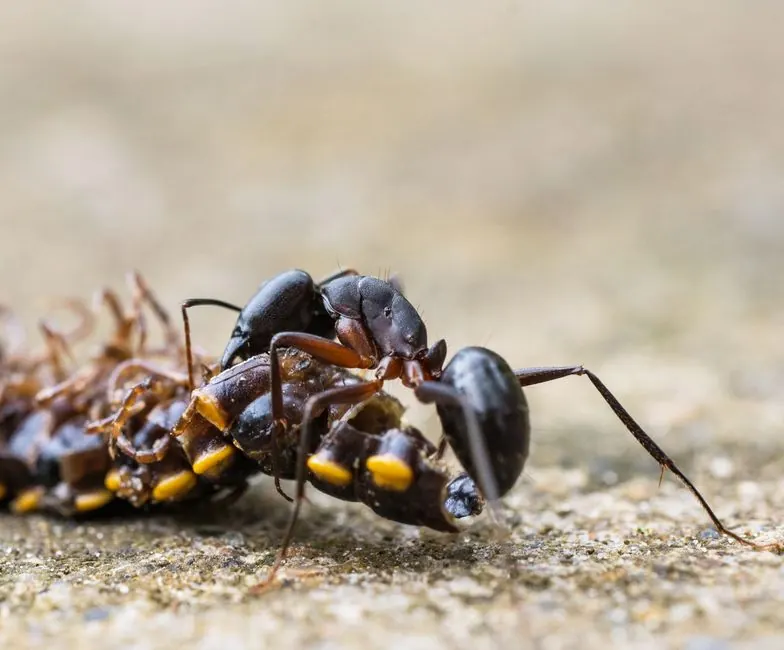
Centipede control methods in Hawaii typically involve baiting and barriers, both of which can be effective depending on the situation. Understanding the differences between these methods helps homeowners choose the best approach for their pest problems.
This article explores centipede behavior, effective control methods, and common mistakes to avoid when dealing with these pests. Additionally, we will discuss when to call in professionals for assistance.
Introduction to Centipede Control
Centipede control methods in Hawaii are essential for managing these pests, which can cause discomfort and anxiety in homes. Centipedes are nocturnal predators that thrive in humid environments, making Hawaii's climate particularly conducive to their presence.
Understanding Centipedes in Hawaii
Centipedes are elongated arthropods with a distinct body structure and numerous legs, typically ranging from 15 to 177 pairs depending on the species. In Hawaii, the most common species is the Scolopendra subspinipes, known for its vibrant coloration and painful bite.
Centipedes prefer dark, damp areas such as under rocks, leaf litter, and inside homes where moisture is prevalent. Their diet consists of insects and other small invertebrates, which they capture using venomous claws. Understanding their habitat and behavior is crucial for effective pest control in Hawaii.
Baiting Techniques for Centipedes
Baiting involves using attractants to lure centipedes into traps containing toxic substances. Hawaii centipede baiting techniques can vary, but the following methods have proven effective:
- Commercial Baits: Many pest control companies provide specialized baits designed for centipedes. These often contain slow-acting insecticides that allow the centipede to return to its hiding place before succumbing to the poison.
- Homemade Baits: Some homeowners opt for homemade baits using common household ingredients. For example, mixing sugar with boric acid can create an effective bait that attracts and kills centipedes.
- Placement: Proper placement of bait is crucial. Place baits near known centipede habitats, such as basements, crawl spaces, and damp areas around the home.
Using bait traps can be an effective way to monitor and reduce centipede populations. However, it is essential to follow the manufacturer's instructions for safe use.
Barrier Methods for Centipede Control
Barrier methods involve creating physical or chemical barriers that prevent centipedes from entering your home. Effective centipede barriers in Hawaii include:
- Physical Barriers: Sealing cracks and crevices around doors, windows, and foundations can significantly reduce entry points for centipedes. Additionally, installing door sweeps and screens can help keep these pests out.
- Chemical Barriers: Applying residual insecticides around the perimeter of your home can create a protective barrier. This method requires careful application to avoid harming beneficial insects.
- Landscaping Adjustments: Maintaining a clean yard by removing debris, trimming overgrown vegetation, and managing moisture levels can help deter centipedes from approaching your home.
Barrier methods can be particularly effective in preventing centipedes from entering homes, especially in areas prone to high humidity.
Comparing Bait and Barrier Effectiveness
When considering Hawaii centipede bait vs barrier methods, both approaches have their strengths and weaknesses. Baiting is more effective for immediate population control, while barriers provide long-term prevention. Bait traps can quickly reduce centipede numbers, but without proper barriers, new centipedes may enter the home.
For optimal results, a combination of both methods is recommended. Begin with baiting to address an existing infestation, followed by implementing barrier strategies to prevent future issues.
Common Mistakes in Centipede Control
Many homeowners make mistakes when attempting to control centipedes. Here are some common pitfalls to avoid:
- Ignoring Moisture: Centipedes thrive in wet environments. Failing to reduce moisture levels in and around the home can lead to ongoing infestations.
- Inadequate Sealing: Not sealing entry points effectively allows centipedes to re-enter the home. Regularly inspect and maintain seals around doors and windows.
- Overusing Chemicals: Excessive use of insecticides can harm beneficial insects and disrupt the ecosystem. Always follow label instructions and consider eco-friendly options.
When to Call a Professional
If you struggle with persistent centipede problems despite your best efforts, it may be time to call a professional. Hawaii Pest Pros offers comprehensive pest control solutions tailored to your needs. Professionals can accurately assess the situation, implement effective strategies, and provide ongoing maintenance to keep your home pest-free.
Frequently Asked Questions
What works best for centipede control in Hawaii? The best methods for centipede control in Hawaii include a combination of baiting and barrier techniques, addressing both immediate infestations and long-term prevention.
How effective are bait traps for centipedes in Hawaii? Bait traps can be highly effective for centipede control, especially when placed strategically near known habitats. They provide quick results by reducing centipede populations.
When should I use barriers for centipede control in Hawaii? Barriers should be implemented as a preventive measure, ideally after addressing an existing infestation with baiting. Regular maintenance of barriers helps keep centipedes out.
Can I use homemade baits for centipede control? Yes, homemade baits can be effective for centipede control. Mixing sugar with boric acid is a popular method that attracts and kills centipedes.
How often should I check my bait traps? Bait traps should be checked weekly to monitor centipede activity and replace baits as necessary to ensure continued effectiveness.
Get Help with Pest Control in Hawaii
For effective pest control in Hawaii, including centipede management, contact Hawaii Pest Pros. Our experienced team is ready to help you reclaim your home from pests.
Call us today at +18552367130 for a consultation.